
What we do
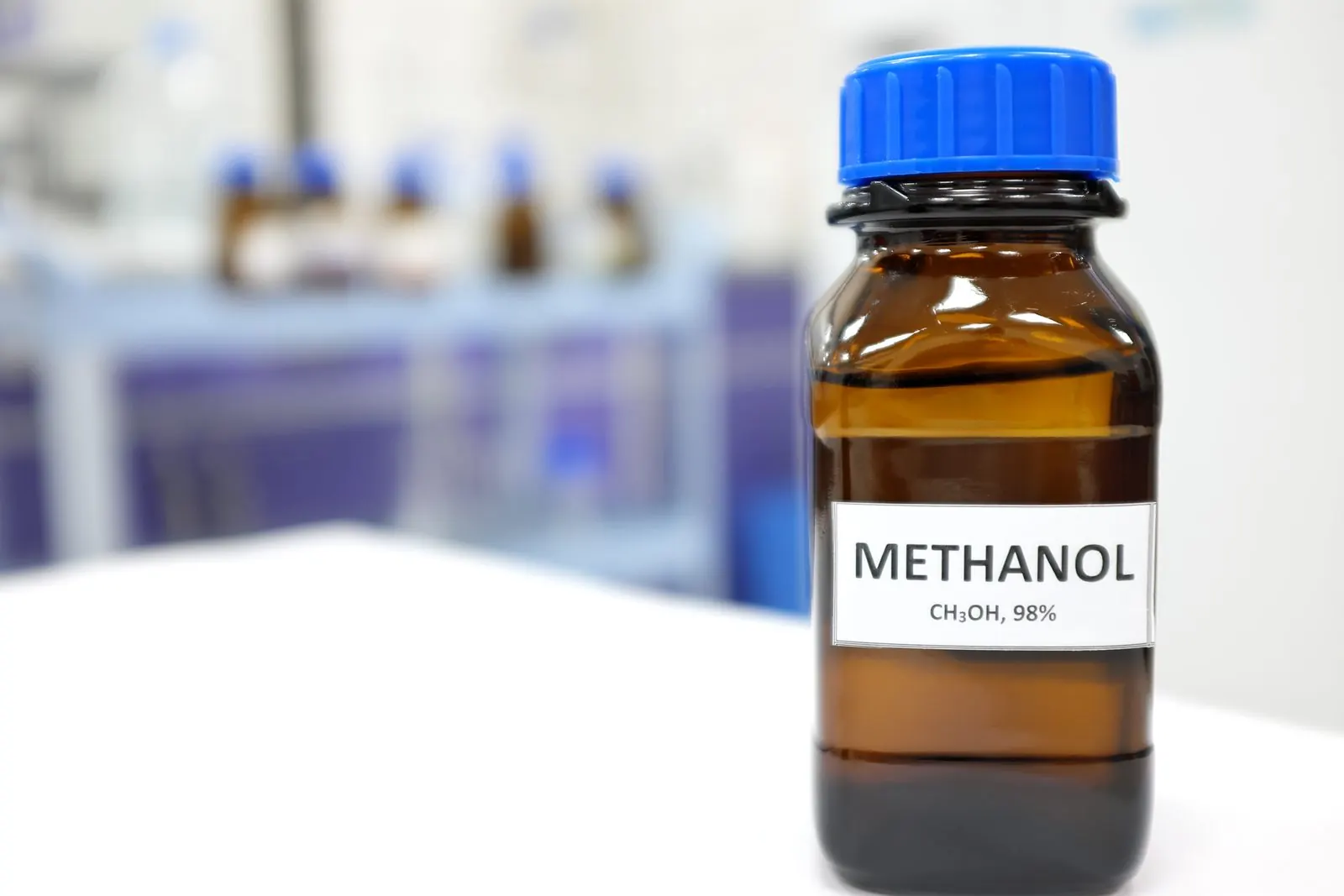
About methanol
The versatile molecule driving the global energy transition
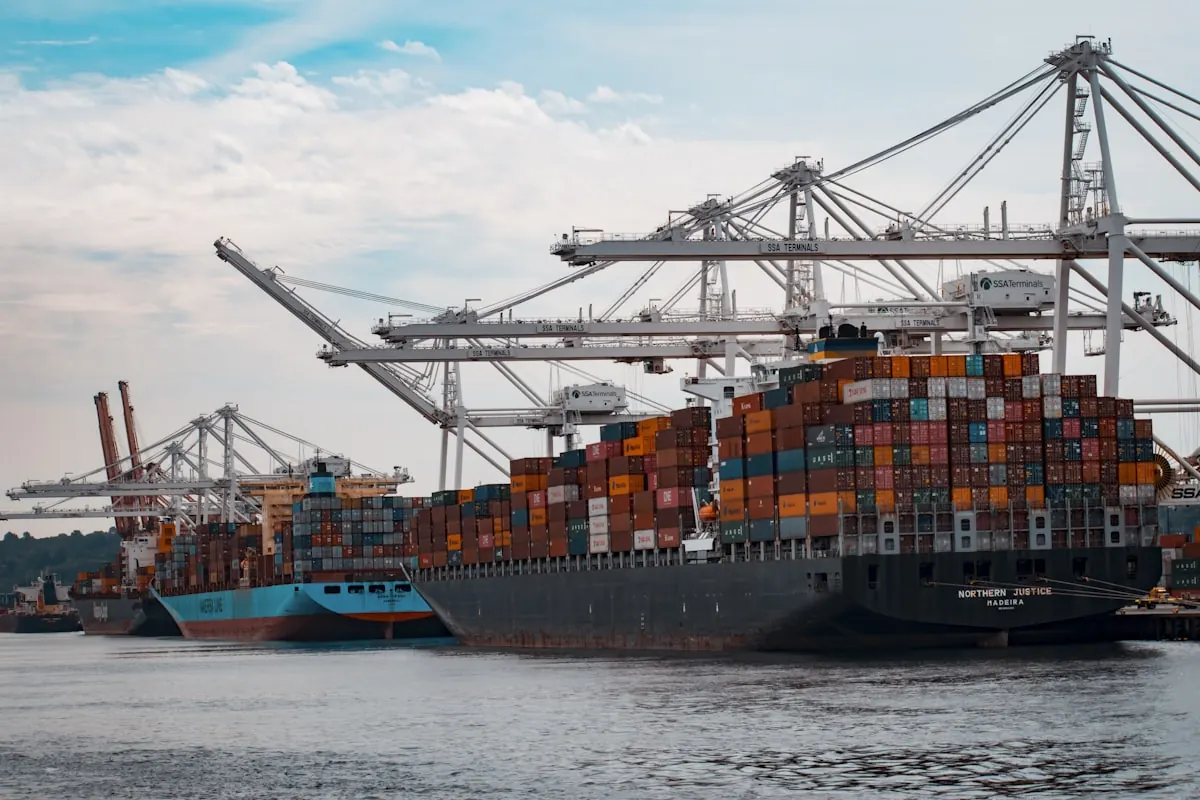
Methanol is one of the most widely traded and used commodities. More than 110 million tonnes are produced globally each year and used across a wide range of industries, from manufacturing and construction to transport and power generation.
Its versatility, established global supply chain, and ability to be produced from multiple feedstocks are helping expand its use as industries look to reduce emissions and diversify their energy sources.
Explore the pages below to learn what methanol is, how it is produced, and why it is being deployed across transport, industry, and energy systems.