

MTO
Methanol-to-Olefins (MTO)
Ethylene and propylene are two of the most important building blocks used to make plastics and chemicals. They are used to produce materials such as polyethylene and polypropylene, which appear in everyday products including packaging, pipes, clothing, car parts, and household goods.
Traditionally, these chemicals are made from crude oil in large petrochemical plants known as steam crackers. Methanol-to-Olefins (MTO) provides an alternative pathway by using methanol instead of oil.
MTO is already a proven commercial technology, mainly in China, where more than 30 plants are operating today.
How does MTO work?
In the MTO process, methanol is mixed with steam and passed through a reactor containing a specialised catalyst, where it is converted into light olefins, primarily ethylene and propylene.
The resulting product stream is then separated into ethylene, propylene, water, and heavier hydrocarbons. The ethylene and propylene are purified to polymer grade and sent into downstream units to make polyethylene and polypropylene.
Commercial MTO plants have been operating at industrial scale for more than a decade and achieve high methanol conversion rates of around 99%.
One of the key advantages of MTO is its feedstock flexibility. The process can use methanol produced from a variety of sources, including natural gas, coal, biomass, and renewable electricity combined with captured carbon dioxide. This means the same production technology can be used as low-carbon methanol sources become available.
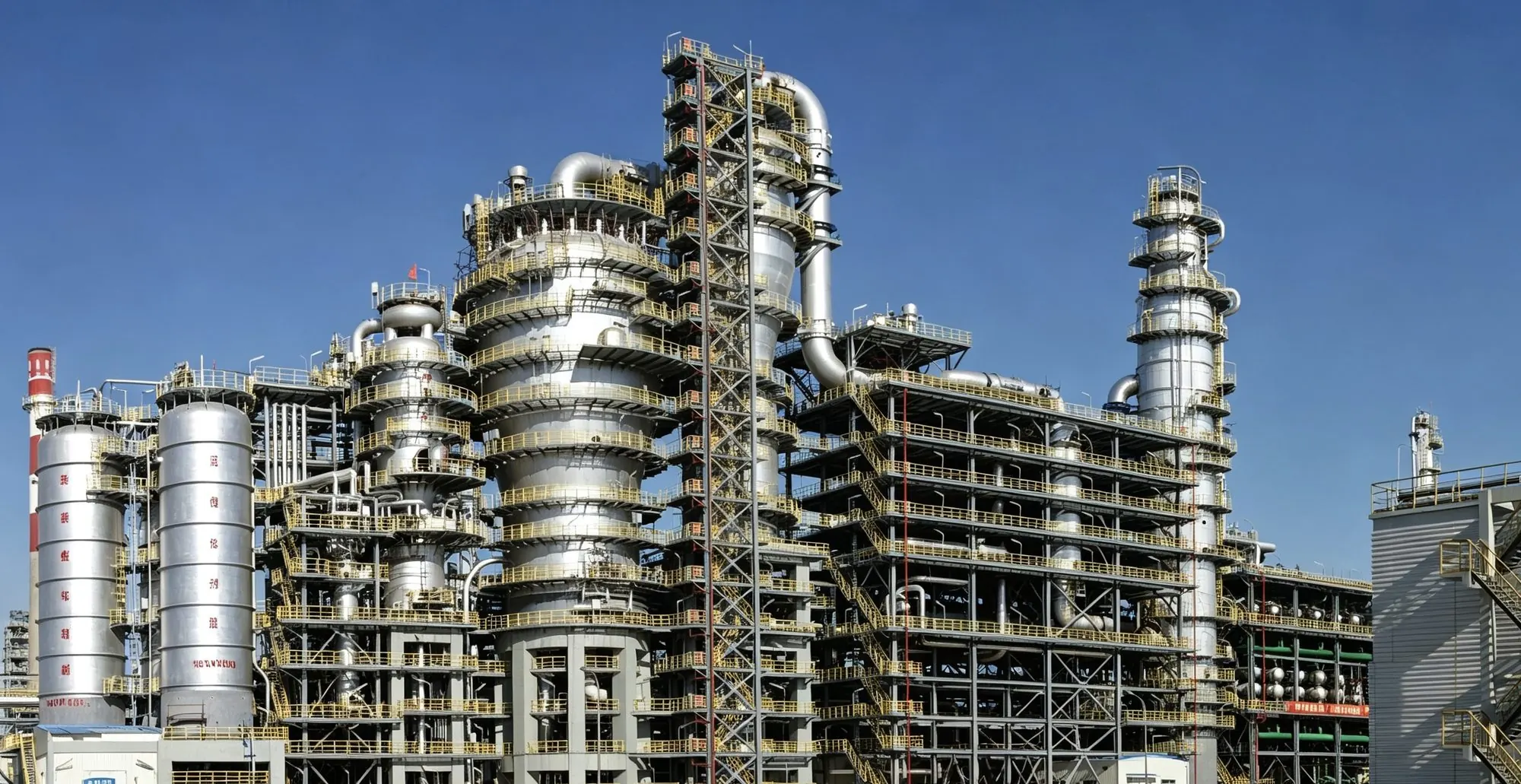
MTO and MTP
A related process, Methanol-to-Propylene (MTP) is designed specifically to maximise propylene output rather than producing a mix of ethylene and propylene. In the MTP process, methanol is first converted into dimethyl ether (DME) before being transformed into propylene and other hydrocarbons.
The two technologies serve different market needs: MTO is typically used when there is demand for both ethylene and propylene, while MTP is preferred when propylene is the primary product.
Where is MTO used today?
China is by far the largest market for MTO technology and accounts for the vast majority of global operating capacity, with more than 20 million tonnes per year of combined MTO and MTP production capacity.
One of the factors driving investment in MTO has been its ability to convert domestically produced coal and natural gas into olefins without relying on crude oil imports. As a result, MTO has become an established part of China's petrochemical industry, and today there are more than 30 plants operating across the country.
Outside China, MTO deployment is more limited, but interest is growing in regions with access to competitive methanol or natural gas supply, including the Middle East and North America..
MTO and the decarbonisation of plastics
Plastics are an essential part of modern life. They are used in everything from food packaging and medical equipment to household products and vehicles. Yet producing plastics remains a significant environmental challenge because industry continues to rely heavily on fossil resources.
Polyethylene and polypropylene together account for more than half of all plastics produced globally by volume and are predominantly made from fossil-derived feedstocks, either naphtha from crude oil or ethane from natural gas liquids.
MTO offers an alternative pathway for producing low-carbon plastics. When renewable methanol is used as the feedstock, the ethylene and propylene produced through the MTO process can have a lower carbon footprint than those produced through conventional petrochemical routes.
This creates an opportunity for manufacturers seeking to reduce the carbon footprint of their products while continuing to use established production technologies, infrastructure, and value chains.

Frequently asked questions about MTO
Converting one tonne of olefins through the MTO process requires approximately 2.9 to 3.2 tonnes of methanol, depending on the plant design and the desired ethylene to propylene ratio.
A large MTO plant producing 600,000 tonnes of olefins per year can consume approximately 1.7 to 1.9 million tonnes of methanol annually. This makes MTO plants among the largest individual consumers of methanol in the world and an important source of demand for the global methanol industry.