
Bootleg alcohol prevention
Methanol poisoning and the risks of bootleg alcohol
Illicit or “bootleg” alcohol refers to beverages produced outside of regulated production systems. These products often bypass essential quality control and safety standards.
One of the main risks with unregulated alcohol is the possible presence of methanol (methyl alcohol). Methanol is a type of alcohol used in a wide range of industrial and energy applications, but it is not safe for human consumption. In legitimate alcoholic beverages, ethanol is the only alcohol used.
While often linked to informal street markets, methanol contamination has been reported in more formal settings, including bars, resorts, and hotels — particularly in places where oversight may be inconsistent.
Methanol is very difficult to detect. It looks, smells, and tastes similar to ethanol, making it nearly impossible to detect without testing. However, its effect on the human body is very different and can be life-threatening. Understanding the risks and knowing how to respond to potential methanol poisoning can save lives.
What you need to know
Where it’s most common
Methanol poisoning is reported in different parts of the world, but unregulated alcohol is more common in certain regions — including parts of Africa, Eastern Europe, Latin America, and Southeast Asia.
Who is most at risk
International travelers in unfamiliar markets, people buying underpriced or unbranded spirits, and communities where unregulated alcohol is more accessible.
Why it’s dangerous
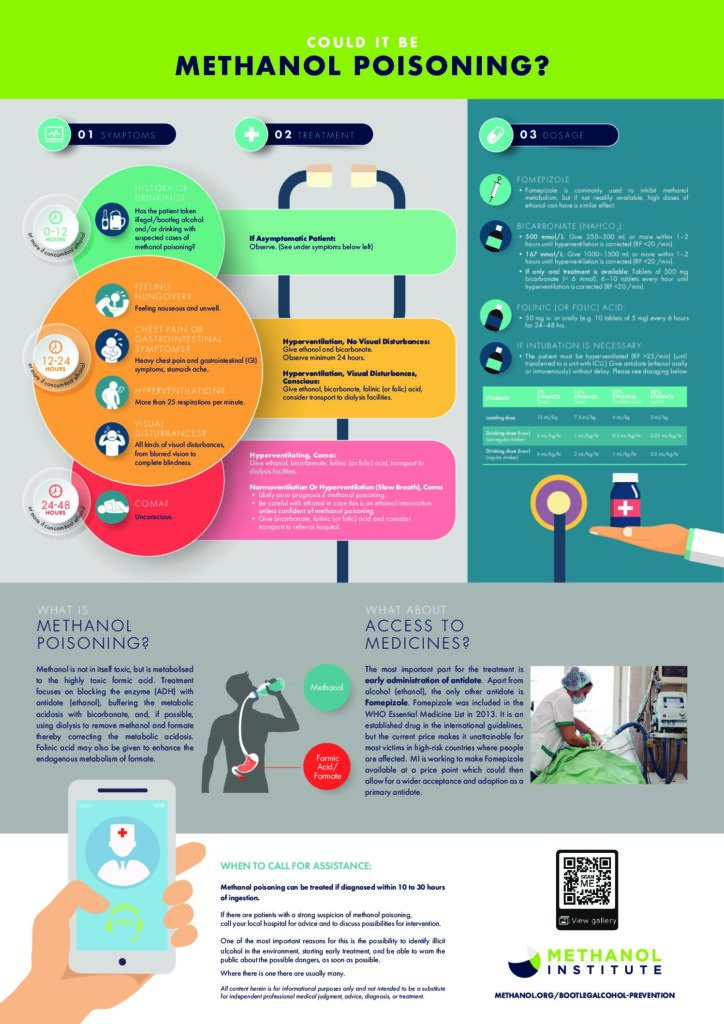
Signs of methanol poisoning may not appear until 12 to 24 hours after consumption. This delay often makes it harder to connect symptoms to the alcohol consumed, leading to critical delays in seeking medical treatment.
Symptoms to watch for
Early signs may mimic a severe hangover but can quickly escalate to headache, dizziness, nausea, vomiting, blurred or “snowy” vision, confusion, and difficulty breathing.
What to do immediately
If methanol poisoning is suspected, seek emergency medical care instantly. Do not wait for symptoms to worsen. Inform medical staff that methanol exposure is possible so they can provide correct antidotes such as Fomepizole or ethanol.
How to reduce risk
Avoid unlabelled or unusually cheap alcohol, check seals and packaging carefully, and be cautious with homemade or informal sources.
Testing options
Portable alcohol test kits can detect methanol in drinks and provide an extra layer of safety.
For more information, read MI’s guide on identifying methanol poisoning or watch our educational video.
Frequently asked questions about methanol poisoning
No. Methanol is indistinguishable from ethanol by sight, smell, or taste. It does not change the appearance or smell of a drink. The only reliable way to detect it is through laboratory analysis or specialized diagnostic test kits. The most effective way to reduce risk is to buy alcohol exclusively from licensed, reputable retailers where supply chains are regulated.
Yes, if medical treatment is sought immediately. Doctors typically administer antidotes such as Fomepizole or, in some cases, medical-grade ethanol. These treatments stop the body from converting methanol into more harmful substances. In severe cases, hemodialysis may be required to remove toxins from the blood.
Symptoms usually begin 12 to 24 hours after drinking. Initial symptoms may resemble a standard hangover, but can quickly develop into a serious medical emergency. Warning signs often include visual disturbances such as blurred vision or white spots, and acute abdominal pain.
Methanol typically enters the supply chain through illicit production. Some producers may deliberately add industrial-grade methanol to products to increase the volume and strength of the alcohol at a lower production cost, prioritizing profit over consumer safety.